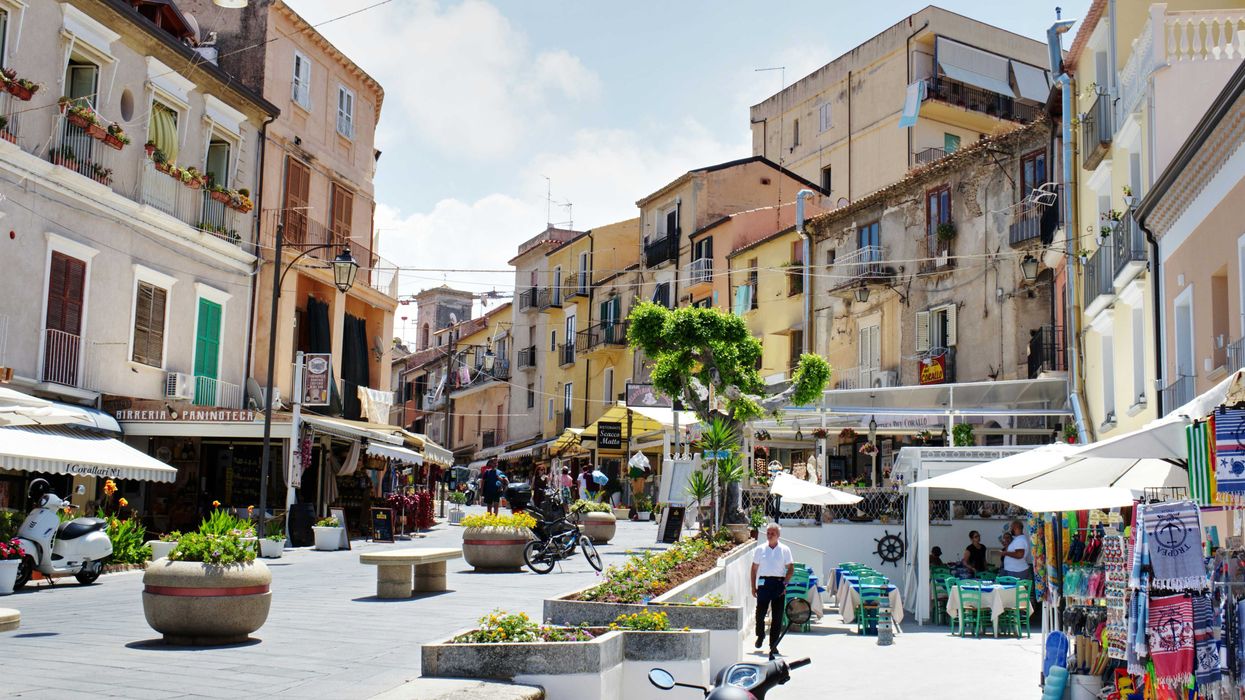
As an American expat who has been living in the south of Italy for the past three years, I’ve picked up on several differences in the way Italians value work compared to the American point of view.
You’ve already heard of la dolce vita…it turns out it’s a part of the culture that Americans could stand to emulate. Here are a few of the practices and mindsets I’m working to adopt in my new home.
1. You Are Not Defined by What You Do
Go to a cocktail party in the U.S. and inevitably, one of the first things a stranger will ask you is: “So, what do you do?”
We’re obsessed with our jobs, and we wear them as masks that define us. Italians, on the other hand, don’t identify themselves by the work they perform. In fact, it’s rare that I talk about work with friends here.
Italians, instead, are more keen to talk about what they’re into. Often, this means what they ate or what they’re planning to eat! They also talk about the animals they’re raising, the weather, and the latest gossip.
I think Americans could stand to dissociate a bit from their work. After all, we are comprised of many things, and work is but one component!
2. Take Your Breaks Seriously
In the south of Italy, everything (except large grocery stores) shuts down from noon until four. That means if you want to pop into a store or get your teeth cleaned at midday, you’ll be in for a disappointment.
I love that Italians completely stop working for these hours. They have a big lunch with the family (no microwaved meal at their desks) and then maybe take a nap.
Americans, on the other hand, never stop working. We check our email obsessively after hours and on the weekends, for fear of missing some critical message that will explode if not opened instantly.
Italians understand that taking a break helps us regulate our stress levels. Even if you’re having a terrible day at work, taking a four-hour break (and a nap) will remedy it! And Italy actually has laws in place that prevent employees from being available for work outside of normal work hours. I love this!
I don’t expect American corporations to adopt a giant break in the middle of the day, but you personally can at least limit your availability to your traditional work hours.
3. Don’t Be Afraid to Pivot
When I met my husband, he was a librarian. And a tour guide. He’d been an archeologist, and now he teaches Italian.
I know few Italians here in the south who stick to one job their whole lives. This is, in large part, because there aren’t a lot of jobs for people with degrees in the south (there is a brain-drain exodus issue that started in the 1950s when southerners moved to the north to find work). And since Italians don’t identify with their work in the same way as Americans, there’s no shame in changing lines of work.
I’ve even done it myself; as AI has taken more writing jobs from me, I’ve ventured into other jobs, like training AI and teaching English.
4. A Vacation Should Be Relaxing
I know Americans who, when they go on vacation, plan a whirlwind trip that leaves them little time to actually relax.
Here in Italy, many people take the entire month of August off. Employers don’t get mad; they close shop and head to the beach, too. I live near the Ionian Sea, and every August, Italians from the north flock here to do little more than soak up the sun, eat our spicy peperoncini, drink Calabrian wine, and enjoy family. They’re not interested in seeing the sights or taking the kids to a theme park. For Italians, a vacation is designed to be enjoyed, not overstuffed with activities.
5. There’s Always Time for Life’s Pleasures
I live in a small mountain village in Calabria, and just about everyone here owns at least one piece of land where they grow gardens and raise chickens and maybe a goat or two. They have jobs, but after hours, they roll up their sleeves and dig in the dirt.
Yes, it can be a labor of love. Someone’s got to till the land, and that’s tedious work. But there’s such joy when we’re all together, planting fava beans or harvesting olives, knowing that we raised the food that we now will enjoy. A crisp beer and a few laughs, and it feels nothing like work.
I’ve fallen in love with herbalism, and my walks in the mountains gift me with armfuls of flowers and herbs I use in food, medicine, and skincare products. We all have something that brings us joy outside of work, and that’s how it should be.
In Italy, we work so that we can live better. In America, people live to work. There’s a big difference, and it shows. Personally, I think we could all learn a few things from the people who live longer, eat better, and generally seem to be happier.